Only the Lonely: A Tribute to Roy Orbison didn’t begin on a stage. It began at home – long before I ever imagined becoming a tribute artist. My story is rooted in family, in the songs that shaped us, and in the quiet way music becomes part of who you are.
A musical legacy born in wartime halls
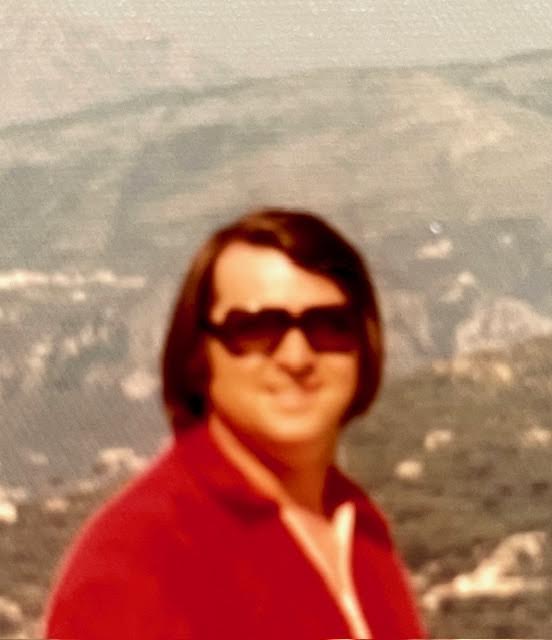
My father’s love of singing began with my grandmother, his mother. During the war, she performed in concert parties and revues, bringing comfort, escape, and a touch of joy to people who needed it most. My dad, born in 1935, would accompany her — along with his older brothers and sister — to those gatherings. He watched the rehearsals, the camaraderie, the way a single voice could lift an entire room.
Those early experiences taught him that music was more than entertainment. It was connection. It was resilience. It was a way of holding people together when the world felt uncertain. That understanding became the foundation of the musical world I grew up in.
A voice that travelled the world
My father’s passion for singing never faded. In later life, he became a member of the world famous Morriston Orpheus Choir, one of Wales’s most celebrated musical institutions. With them, he travelled across Europe and even performed at the Sydney Opera House in Australia.
His pride in Welsh choral tradition, his dedication to craft, and his belief in the emotional power of the human voice shaped the way I listened, learned, and eventually performed.
The singers who shaped his ear — and mine
My father had a remarkable tenor voice, and his musical tastes reflected both power and tenderness. He adored the great operatic voices — Enrico Caruso, Mario Lanza, Giuseppe Di Stefano — singers who could fill a room with sheer vocal presence.
But he also cherished artists who sang with warmth, intimacy, and emotional truth: Roy Orbison, Perry Como, Nat King Cole. To him, these singers shared something rare — the ability to move effortlessly between strength and softness, to make a lyric feel lived rather than performed.
Growing up with those voices playing in our home shaped my own understanding of what great singing really is.
My own beginnings: a childhood shaped by song
My own singing journey began early. I joined the school choir at just seven years old, and music quickly became a natural part of my life. Both my sister and I were fortunate as children — we spent our summers at Greenways Holiday Park in Oxwich, Gower, where my dad loved getting up on the stage in the clubhouse to sing on the weekends.
He and my mum encouraged us to do the same. From around the age of nine, my sister and I were getting up to “give a tune,” and before long we became regular singers every weekend throughout the summer holidays. Looking back, that’s where my musical career truly began.
I carried that love of performing into my early teens, singing in various venues until my voice broke. I stepped away for a short while, but the pull of music never left me. At sixteen, I was invited to join a band — and that invitation reignited everything. I’ve loved singing and performing ever since, and I credit my parents and my grandmother for planting that love so deeply within me.
How that heritage shaped my path to tribute artistry
I didn’t just hear Roy Orbison’s music — I heard my father speak about it with reverence. He recognised in Orbison the same qualities he admired in the great tenors: control, purity, emotional depth, and a voice that could tell a story without ever raising its volume.
From him, I learned to value:
- Craft and discipline
- Emotion over imitation
- Integrity in performance
- The voice as a storyteller
Those lessons became the backbone of my singing career — a journey that began long before I ever stepped into the world of tribute artistry.
A tribute that honours both a legend and a lineage
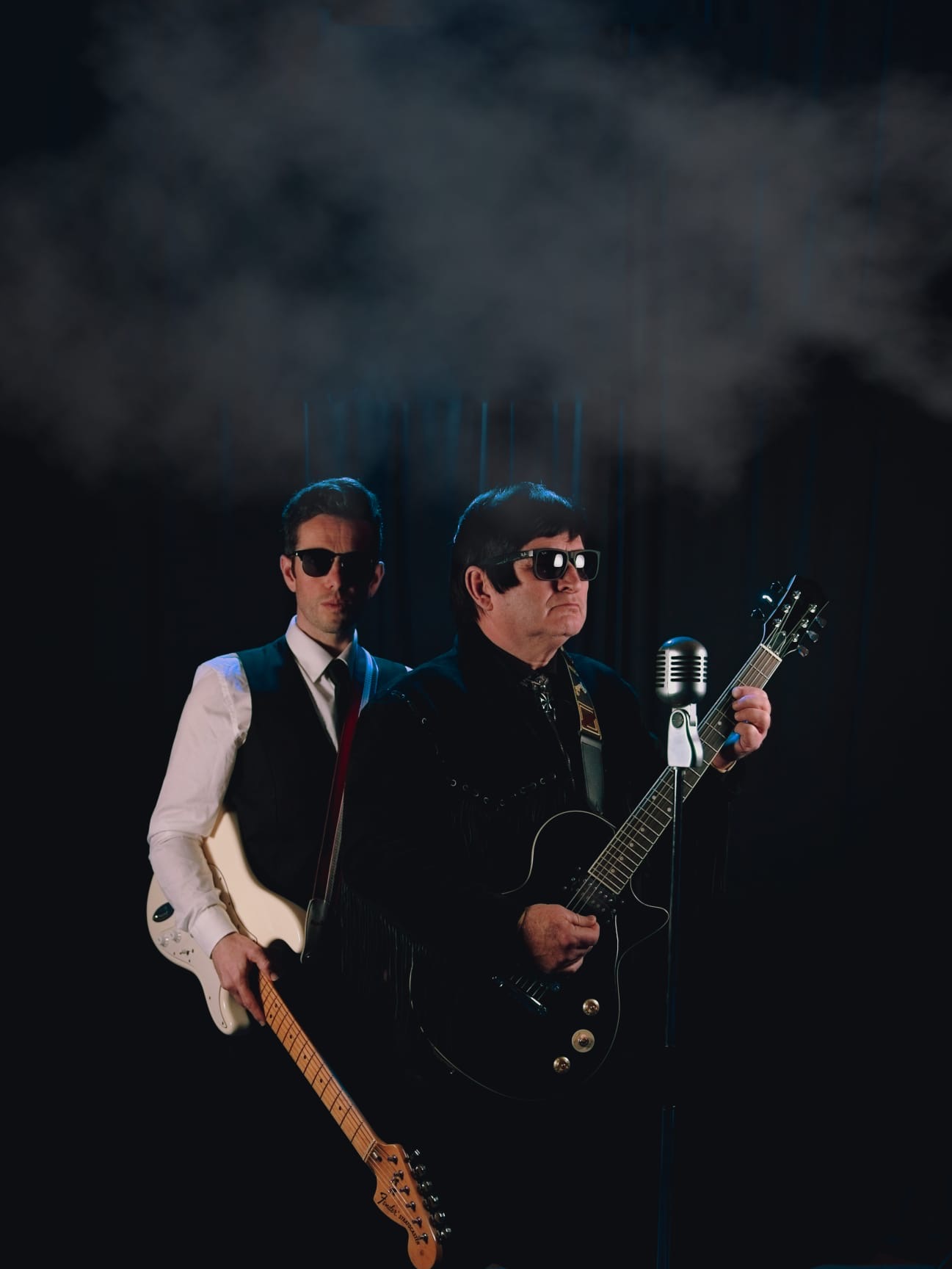
Today, Only the Lonely: A Tribute to Roy Orbison carries the weight of that heritage. The phrasing, the dynamic control, the emotional truth — all of it echoes the musical values passed down through my family.
Audiences may first notice the iconic dark glasses and familiar silhouette. But what keeps them listening are the classic songs — the unforgettable hits from Roy Orbison’s early years right through to the powerful tracks he recorded with the Traveling Wilburys before his untimely passing on 6th December 1988.
For me, this tribute is both a celebration of Roy Orbison’s timeless music and a quiet honouring of the generation who first fell in love with it — the families who gathered around radios, the mothers who sang in wartime halls, the fathers who carried those songs forward, and the choirs that took Welsh voices to the world.
Great music doesn’t fade.
It is handed down — just as it was handed down to me.